Robot Kit Selection for Computer Vision and Autonomy Research
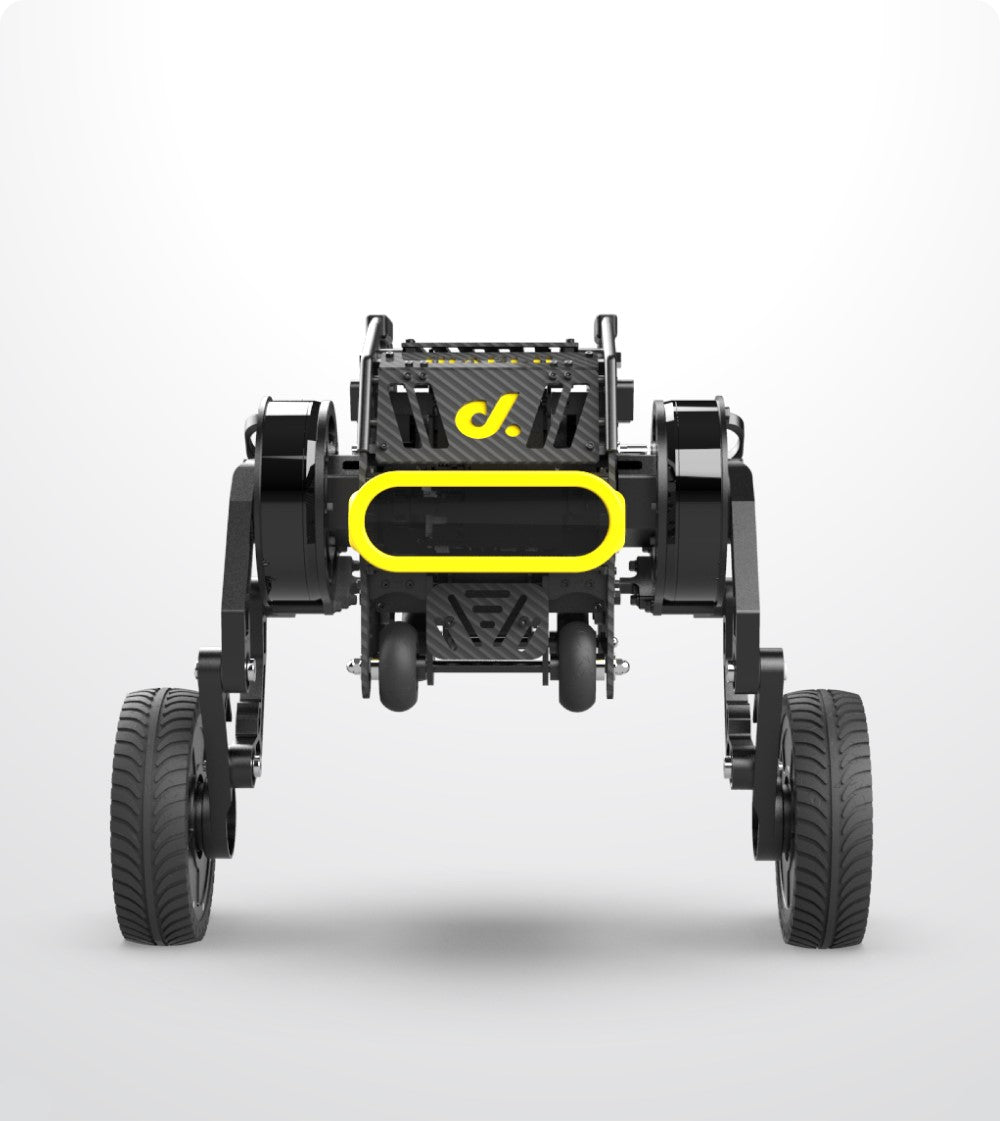
Robot kits for computer vision and autonomy research should be selected according to sensing capability, computing power, software support, and mechanical design. Platforms with ROS compatibility, RGB-D cameras, LiDAR, and AI processors are commonly used for advanced research. For example, NVIDIA Jetson-based robots can run deep learning models locally, while LiDAR-equipped systems improve navigation accuracy. In 2024, many university and industrial research projects used modular robot platforms because they allow sensor upgrades and algorithm testing without replacing the entire system.
A suitable research robot kit usually combines mobility, perception, and computing in one platform. The hardware should support current projects while leaving enough room for future upgrades.
Computer vision research depends heavily on image quality and sensor selection. A basic camera can support object classification and image recognition tasks, but autonomous navigation requires more information about distance, depth, and environment structure. Stereo cameras estimate depth by comparing images from two viewpoints, while RGB-D cameras provide depth information through infrared sensing or time-of-flight technology.
Many research platforms now use cameras with resolutions from 720p to 4K. A 1920×1080 camera operating at 30 frames per second is common for mobile robot applications, while high-speed vision tasks may require 60 FPS or higher. In a 2023 autonomous robotics study, multi-camera systems improved object detection performance by approximately 15% compared with single-camera setups in complex indoor environments.
The choice of sensors affects what types of algorithms can be developed. Vision-only robots are suitable for visual recognition and tracking, while sensor combinations provide better results for navigation and mapping.
| Sensor Type | Typical Specification | Common Research Applications |
|---|---|---|
| RGB Camera | 1080p–4K, 30–120 FPS | Object detection, image recognition |
| Stereo Camera | Dual lens, depth estimation | Visual SLAM, 3D reconstruction |
| RGB-D Camera | 640×480 to 1280×720 depth maps | Indoor navigation, robotic grasping |
| 2D LiDAR | 270°–360° scanning range | Mapping, localization |
| IMU | 100–1000 Hz sampling | Motion estimation and control |
Sensor selection should match the research goal. A robot designed for object recognition does not require the same hardware configuration as a robot designed for autonomous navigation.
Computing performance determines whether a robot can process data in real time. Traditional microcontrollers such as Arduino are useful for motor control and simple automation, but they cannot efficiently run deep neural networks. Modern research robots often use embedded computers such as NVIDIA Jetson platforms, which provide GPU acceleration for AI workloads.
For example, YOLO-based object detection models can run at more than 30 FPS on some embedded GPU systems depending on model size and camera resolution. In 2024, researchers increasingly used edge computing because local processing reduces communication delays compared with sending sensor data to external servers.
A robot running simultaneous localization and mapping (SLAM), object detection, and path planning at the same time requires more computing resources. A platform with 8 GB or more RAM and a GPU capable of parallel processing provides more flexibility for advanced robotics projects.
Computing hardware should be selected based on the algorithms being tested, not only the robot’s physical size.
Software compatibility has become an important factor in academic and industrial robotics development. ROS and ROS 2 are widely used frameworks because they allow researchers to connect sensors, controllers, navigation modules, and artificial intelligence models through standardized communication systems.
A robot kit supporting ROS 2 can integrate navigation packages, simulation environments, and machine learning libraries more easily. According to ROS community statistics, thousands of robotics projects worldwide use ROS-based development environments, covering autonomous vehicles, drones, industrial robots, and research platforms.
Simulation support also reduces development time. Tools such as Gazebo, Webots, and NVIDIA Isaac Sim allow researchers to test algorithms before deploying them on physical robots. In many robotics courses and research groups, simulation is used for 50% or more of early-stage development before hardware testing.
Mechanical design affects robot performance in different environments. Wheeled robots are widely used because they provide stable movement and simple control. Differential-drive robots are common in indoor research because they work well with navigation algorithms such as SLAM.
Outdoor research often requires stronger mechanical structures. Four-wheel-drive platforms provide better traction on uneven surfaces, while tracked robots can operate on gravel, soil, and rough terrain. Legged robots provide higher mobility but require more complex control systems.
The movement system should match the environment where the robot will operate. Indoor laboratory robots and outdoor autonomous platforms usually require different designs.
Robot kits can be divided into several categories based on research requirements:
| Category | Hardware Features | Suitable Research Areas |
|---|---|---|
| Entry-level platforms | Raspberry Pi, basic camera, simple motors | Robotics education, programming |
| Research mobile robots | LiDAR, depth camera, ROS support | SLAM, navigation, sensor fusion |
| AI robotics platforms | Jetson GPU, multiple sensors | Deep learning and autonomy |
| Manipulation platforms | Robotic arms, vision sensors | Object grasping and automation |
| Outdoor platforms | High-power motors, rugged chassis | Field robotics |
For researchers working on mobile autonomy, modular platforms provide more flexibility. Systems such as DDT Diablo robot kits are designed around compact mobile robot applications, allowing users to combine locomotion systems with sensors and computing units for different research scenarios.
Battery capacity and power management also influence experimental performance. A small educational robot may operate for 3–6 hours, while a robot equipped with LiDAR, cameras, and an AI computer may operate for only 1–3 hours depending on battery size and processing requirements.
Power consumption can increase significantly when adding sensors. A LiDAR sensor may consume several watts, while an embedded GPU computer can require more than 20 watts during intensive AI processing. Researchers should consider battery replacement speed and charging methods when planning long-term testing.
Cost is another factor when selecting research platforms. Entry-level robots usually cost between $200 and $800, making them suitable for student projects. Mid-range research robots often cost between $1,500 and $5,000 because they include better sensors and computing hardware. Advanced autonomous platforms with industrial-grade components may exceed $10,000.
A higher price does not always mean better research performance. The platform should provide the hardware and software needed for the specific research task.
Open hardware design is useful because robotics projects often change during development. Researchers may add new cameras, replace processors, or install additional sensors after initial testing. Platforms with USB ports, expansion interfaces, and standardized communication protocols are easier to modify.
In computer vision and autonomy research, sensor fusion has become more common. Combining camera images, LiDAR measurements, IMU data, and wheel odometry can improve localization and environmental understanding. Research published between 2020 and 2024 showed that multi-sensor systems generally achieved higher navigation reliability than single-sensor approaches, especially in environments with changing lighting conditions.
When selecting a robot kit, researchers should evaluate several practical factors:
| Evaluation Factor | Recommended Consideration |
|---|---|
| Camera system | Resolution, frame rate, depth capability |
| Computing unit | GPU performance, memory, AI compatibility |
| Software | ROS/ROS 2 support, simulation tools |
| Mobility | Indoor or outdoor operation requirements |
| Expansion | Sensor and hardware upgrade options |
| Community support | Documentation and available examples |
A research robot should provide a stable platform for testing algorithms, collecting data, and improving autonomous functions over multiple development cycles.
The development of autonomous robotics continues to increase demand for flexible research platforms. From computer vision models to navigation algorithms, the robot kit determines how easily researchers can move from software development to real-world testing. A well-selected platform provides enough sensing ability, computing resources, and hardware flexibility to support different research directions from early prototypes to advanced autonomous systems.